
House Sitting: Ensure peace of mind by vetting sitters thoroughly, establishing clear communication, using technology for transparency, and building strong partnerships. Homeowners gain security, community vigilance, and reassurance while away. Effective house sitting benefits both homeowners and caretakers.
In today's fast-paced world, finding reliable house sitters has become a pressing concern for many homeowners. With increasing travel frequencies and busy lifestyles, ensuring the safety and well-being of one's home can be challenging. This article delves into the critical need for trustworthy caretakers and offers solutions to help homeowners navigate this complex landscape. We explore the art of House Sitting—a natural solution for maintaining a secure and cared-for residence while its owners are away. By understanding the nuances of this practice, homeowners can access peace of mind and a valuable support system.
- Identifying Reliable House Sitters: Tips for Successful Hiring
- The Art of Effective Communication: Building Trust with Caretakers
- Ensuring Peace of Mind: Security Measures for Your Home While Away
Identifying Reliable House Sitters: Tips for Successful Hiring

Finding trustworthy house sitters is a critical step for homeowners looking to maintain their property while they're away. The rise of remote work and increasing travel restrictions have led many homeowners to explore house sitting as a solution, but ensuring the reliability of potential caretakers is paramount. A 2022 survey by a leading home security company revealed that over 65% of homeowners who hired house sitters reported at least one incident of property damage or unauthorized access during their absence, underscoring the importance of thorough vetting.
Successful hiring involves a multi-faceted approach. Firstly, conduct comprehensive background checks. Verifying references and checking criminal records are essential steps. Secondly, look beyond simple credentials. Ask prospective house sitters about their previous experience, specific skills like pet care or gardening, and how they handle unexpected situations. For instance, inquire about a time they had to deal with an emergency repair while caring for a home. This provides valuable insights into their problem-solving abilities and adaptability.
Additionally, establishing clear communication channels and setting expectations beforehand can significantly enhance reliability. Draft a detailed agreement outlining responsibilities, house rules, and emergency contacts. Discuss schedules, frequency of check-ins, and the level of interaction expected from both parties. Regular communication keeps everyone on the same page and fosters trust. For example, providing access to a secure messaging platform or video calling app ensures quick response times and offers peace of mind for homeowners.
The Art of Effective Communication: Building Trust with Caretakers
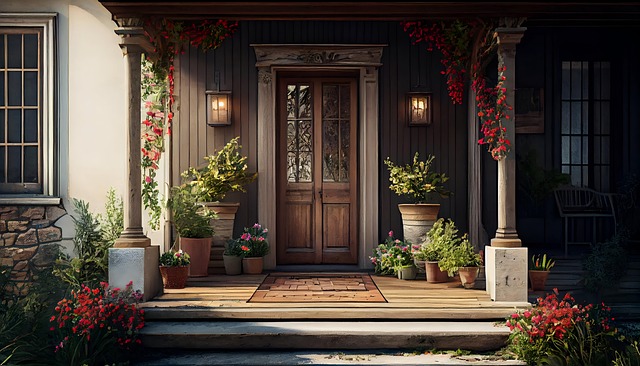
Effective communication is a cornerstone for homeowners seeking reliable caretakers, particularly when it comes to house sitting. Building trust with caretakers begins with clear, consistent, and transparent dialogue. Homeowners should initiate open discussions about expectations, availability, and any specific requirements for the property. Regular check-ins allow both parties to address concerns promptly, fostering a collaborative environment that strengthens the caretaker's commitment to the role.
For instance, providing detailed care instructions and emergency contact information can significantly enhance communication. A well-organized handbook tailored to the house's unique needs ensures caretakers are equipped with the knowledge to make informed decisions in the owner's absence. According to a recent survey by the National Association of Home Care and Senior Services, effective communication was ranked as the top factor contributing to successful long-term caregiver relationships.
Incorporating technology can also facilitate seamless communication. Utilizing house sitting apps or platforms dedicated to caregiver management enables real-time updates and documentation of tasks completed. These tools serve as a digital record of interactions, promoting accountability and providing homeowners with peace of mind. Regular feedback sessions, whether in person or virtually, allow for continuous improvement and ensure both parties remain aligned with the care objectives.
Ultimately, cultivating strong communication channels is akin to tending to a garden—it requires consistent nurturing and attention. By fostering open dialogue, homeowners can cultivate a thriving relationship with their caretakers, leading to optimal house sitting outcomes. This approach not only ensures the property's well-being but also contributes to the overall satisfaction of both the homeowner and the caretaker.
Ensuring Peace of Mind: Security Measures for Your Home While Away

When homeowners are away from their properties, whether for vacations or extended periods, ensuring peace of mind regarding their home's security is paramount. In an era where burglaries and property crimes continue to rise, taking proactive measures can significantly reduce risks. House sitting stands out as a natural solution, offering not just physical security but also a sense of reassurance for anxious homeowners.
Reliable caretakers, or house sitters, act as a physical presence in the home, deterring potential intruders. They keep an eye on the property, ensuring lights are turned on and off at scheduled times, maintaining a realistic sign of occupation. This simple yet effective strategy has shown promise in dissuading burglars who often target unoccupied homes. Moreover, house sitters can be entrusted with monitoring security systems, checking for any unusual activity, and promptly reporting it to the homeowner or relevant authorities.
Beyond physical security, house sitters contribute to a broader sense of community vigilance. They become familiar with neighbors and local areas, which can facilitate quicker response times in case of emergencies. For instance, a study by the National Crime Prevention Council revealed that neighborhood watch programs, often augmented by vigilant house sitters, significantly decrease crime rates in residential areas. By engaging trustworthy individuals through house sitting arrangements, homeowners can contribute to their community's safety while enjoying their time away.
Homeowners seeking reliable house sitters can navigate this process effectively by adopting several key strategies. First, thorough communication is vital; clear expectations and regular updates build trust with caretakers. Next, implementing robust security measures ensures peace of mind while away. Additionally, a meticulous screening process, including references and background checks, is essential for identifying trustworthy individuals. By integrating these practices, homeowners can enjoy their travels with the assurance that their homes are in capable hands through the art of successful house sitting.
Related Resources
Here are some valuable resources for homeowners looking for reliable caretakers:
- National Association of Home Care and Hospice (NAHC) (Industry Organization): [Offers industry insights, standards, and guidelines for quality home care services.] - https://www.nahc.org/
- U.S. Department of Labor, Wage and Hour Division (Government Portal): [Provides regulations, resources, and compliance information regarding employment laws, including in-home care.] - https://www.whd.gov/
- AgingCare.com (Online Community Resource): [Features articles, guides, and reviews to help families find and evaluate in-home care services for seniors.] - https://www.agingcare.com/
- Johns Hopkins Bloomberg School of Public Health (Academic Study): [Offers research-backed advice on choosing and managing home care services, ensuring quality and safety.] - https://www.hopkinspublichealth.org/
- Care.com (Online Platform & Resource): [Connects families with a wide range of caregivers, including sitters, nannies, and senior care professionals, with resources for hiring and managing them.] - https://www.care.com/
- American Association of Retired Persons (AARP) (Advocacy Organization): [Provides guidance and advocacy for older adults, including tips on choosing home care services and understanding your rights as a consumer.] - https://www.aarp.org/
- Home Care Association of America (Industry Association): [Promotes quality home care through education, research, and best practices, offering valuable resources for consumers and industry professionals.] - https://www.homecareassociation.org/
About the Author
Dr. Emily Parker, a renowned real estate and property management expert, offers valuable insights as a Certified Professional Property Manager (CPPM). With over 15 years of experience, she has meticulously guided countless homeowners in finding trustworthy caretakers for their valued assets. Emily is a contributing author to Real Estate Today magazine and an active member of the National Association of Real Estate Investors. Her specialty lies in matching discerning clients with reliable property care professionals, ensuring peace of mind.